Get to Know Your Feet – How to Spot Early Signs of Imbalance and Overuse


Get to Know Your Feet – How to Spot Early Signs of Imbalance and Overuse
Your feet carry you through life—literally. Yet for many Americans, they’re an afterthought until pain, swelling, or calluses appear. By paying attention to small changes, you can catch early signs of imbalance and overuse before they turn into bigger problems. Here’s how to get to know your feet and what to watch for.
Your Feet: The Foundation of Movement
Each foot contains 26 bones, 33 joints, and more than 100 muscles, tendons, and ligaments. Together, they form the foundation that supports your entire body. When something is off in your feet, it can affect your knees, hips, and even your back and neck.
That’s why it’s important to think of your feet as active participants in your posture and movement—not just something to hide in shoes.
Læs også:



Small Signals That Say a Lot
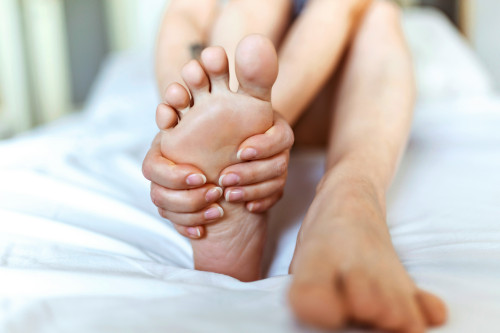
Your feet often send early warnings when something isn’t right. These signs may seem minor, but they can indicate the beginning of overuse or imbalance.
Pay attention to:
- Soreness or fatigue after short periods of walking or standing – may suggest weak foot muscles or poor support.
- Calluses or corns – often form where pressure is uneven.
- Swelling or warmth – can signal inflammation or early overuse.
- Heel or forefoot pain – may result from poor alignment, tight shoes, or fallen arches.
- Changes in your gait – limping or shifting weight to one side is a red flag.
Catching these signs early can save you from long-term discomfort and more serious conditions later.
Know Your Foot Type
Everyone’s feet are different, and your foot type affects how you move. A simple “wet test” can help you identify yours:
- Lightly wet the bottom of your foot and step onto a piece of paper or cardboard.
- Look at the footprint:
- Normal arch: You’ll see a clear curve along the inside.
- Flat foot: Most of your foot shows, with little or no arch.
- High arch: Only the heel and ball of the foot are visible, connected by a narrow band.
Knowing your foot type helps you choose shoes and insoles that provide the right support and prevent strain.
Shoes That Support, Not Restrict
Many foot problems start with the wrong footwear. Shoes that are too tight, too flat, or lack support can throw off your alignment and cause pain.
When shopping for shoes, look for:
- Proper fit – your toes should move freely.
- Firm heel counter – for stability.
- Cushioned sole – to absorb shock.
- Timely replacement – worn-out shoes lose support and can worsen issues.
If you spend long hours on hard surfaces, consider cushioned insoles or orthotics suited to your foot type.
Strengthen and Stretch Your Feet
Just like any other part of your body, your feet benefit from regular exercise. Simple movements can strengthen muscles and improve balance:
- Roll a small ball under your foot for a few minutes daily.
- Pick up marbles or small objects with your toes.
- Stretch your toes backward while standing to loosen the arch.
- Walk barefoot on grass or sand to activate small stabilizing muscles.
These easy habits can make a big difference in comfort and stability.
When to Seek Professional Help
If pain doesn’t improve after a few days, or if you notice swelling, discoloration, or numbness, it’s time to see a podiatrist or physical therapist. A professional can identify the cause and help prevent recurrence.
People with diabetes, arthritis, or circulation problems should be especially vigilant—minor sores or pressure points can escalate quickly.
Give Your Feet the Attention They Deserve
Getting to know your feet isn’t just about avoiding pain—it’s about taking care of your overall well-being. Your feet carry you every day, and with a little attention, they’ll keep doing so for years to come.
Take a moment to look at your feet today. They might be telling you more than you realize.
Læs også: