Good Hair Habits from the Start: How to Teach Kids to Wash Their Hair Properly

Good Hair Habits from the Start: How to Teach Kids to Wash Their Hair Properly
Teaching kids good hair habits early makes daily life easier—for them and for you. When children understand how to wash and care for their hair properly, it becomes a natural part of their routine instead of a struggle in the bathroom. It also helps prevent tangles, dry scalp, and unnecessary tears. Here’s a step-by-step guide to helping your child build healthy hair habits from the start.
Make Hair Washing a Positive Experience
For many kids, hair washing can feel uncomfortable—water in the eyes, slippery shampoo, or the sensation of losing control. The first step is to make the experience feel safe and predictable.
Explain what’s going to happen before you start, and let your child make small choices: Would they rather use a cup or the showerhead? Do they want to pour the water themselves? Giving them a sense of control helps reduce anxiety. You can also turn hair washing into a game—sing a fun song, count bubbles, or make it a race to see who can rinse the fastest.
Choose the Right Shampoo
Children’s hair and scalp are more delicate than adults’, so choose a gentle, tear-free shampoo made for kids. Look for products that are free from sulfates, parabens, and strong fragrances. A pH-balanced formula is often best. If your child has longer hair, you can follow up with a light conditioner to make detangling easier.
Use only a small amount of shampoo—about the size of a dime—and, if needed, mix it with a little water to help it spread evenly. Too much product can weigh the hair down and make rinsing more difficult.
Teach the Technique
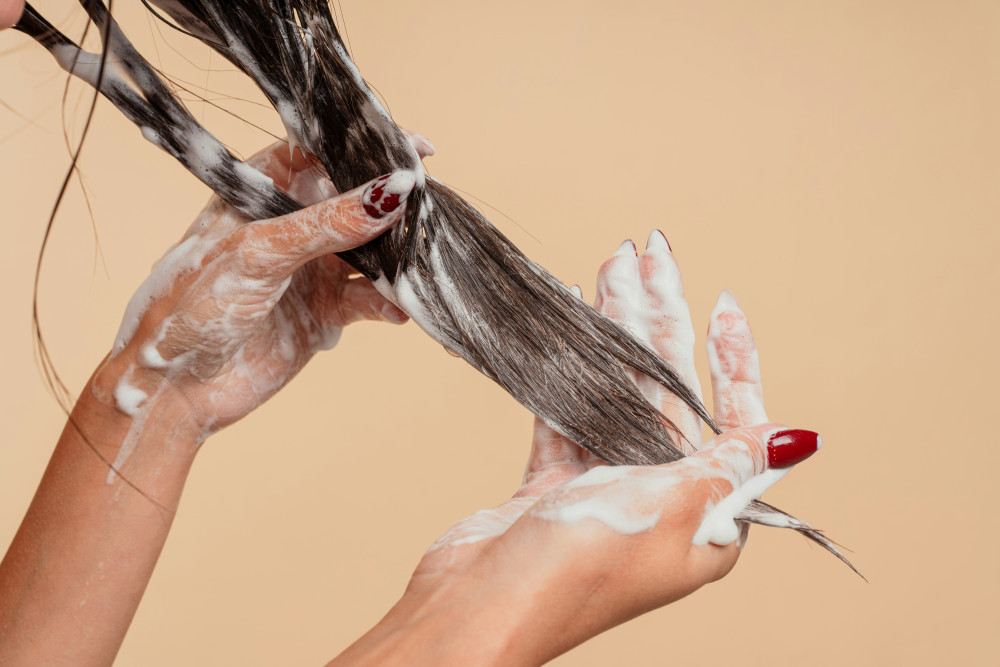
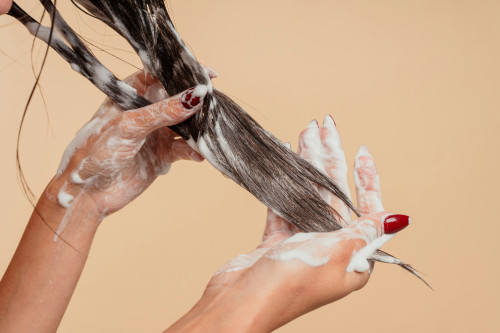
Once your child is old enough, start teaching them the proper technique. Show them how to massage the shampoo into the scalp using their fingertips—not their nails—and how to rinse thoroughly so no residue is left behind.
A fun way to practice is to let your child “wash” a doll’s or stuffed animal’s hair in the bath. It turns learning into play and helps them understand what to expect when it’s their turn.
Læs også:
Rinse Thoroughly—and Avoid Tears
The most important part of washing hair is rinsing out all the shampoo. Leftover product can cause itching or irritation. Use lukewarm water and pour it gently over the hair to avoid getting water in your child’s eyes. A rinse cup with a soft edge or a small pitcher can make this easier.
If your child is nervous about water on their face, let them hold a small washcloth over their eyes or look up toward the ceiling while you rinse. Over time, they’ll become more comfortable with the process.
Detangle with Care
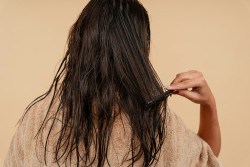
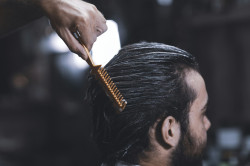
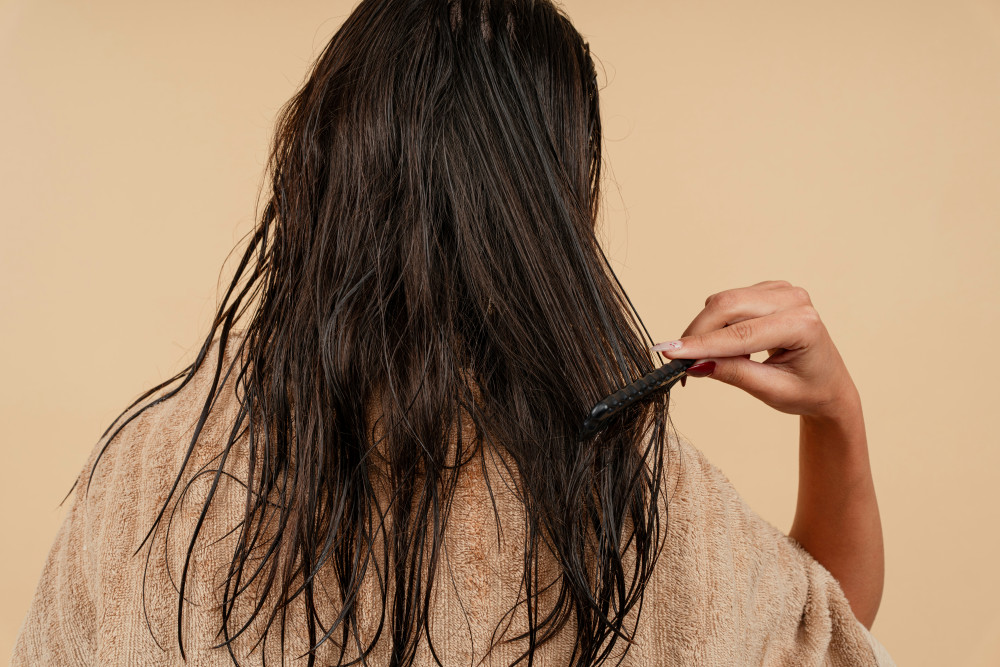
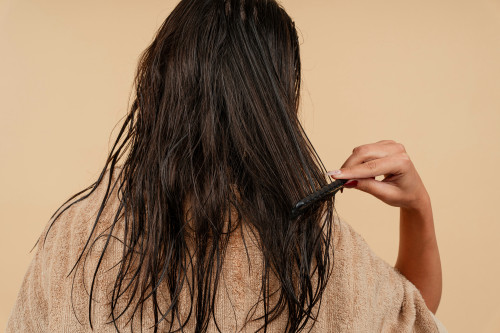
After washing, gently comb the hair while it’s still damp. Use a wide-tooth comb or a kid-friendly detangling brush, and always start from the ends, working your way up to the roots. This helps prevent pulling and makes the process more comfortable.
If your child’s hair tangles easily, try a leave-in conditioner or a detangling spray. It makes brushing smoother and helps keep hair manageable between washes.
Establish a Consistent Routine
Kids thrive on routines, and hair care is no exception. For most children, washing hair two times a week is enough, but it depends on their hair type and activity level. After sports, swimming, or especially sweaty days, an extra wash might be needed.
Make hair washing a predictable part of bath time so your child knows what to expect. The more consistent the routine, the less resistance you’ll face.
Encourage Independence as They Grow
As your child gets older, gradually let them take more responsibility. Allow them to choose their own shampoo, measure out the right amount, and rinse their hair themselves. This builds confidence and independence. You can still check to make sure all the shampoo is rinsed out until they’ve mastered the process.
Teaching kids how to wash their hair properly isn’t just about cleanliness—it’s about building lifelong habits of self-care. With patience, playfulness, and a little structure, hair washing can become a calm, even enjoyable, part of your child’s routine.
Læs også: