Keep Your Jewelry Beautiful: How to Create a Simple Cleaning and Inspection Routine

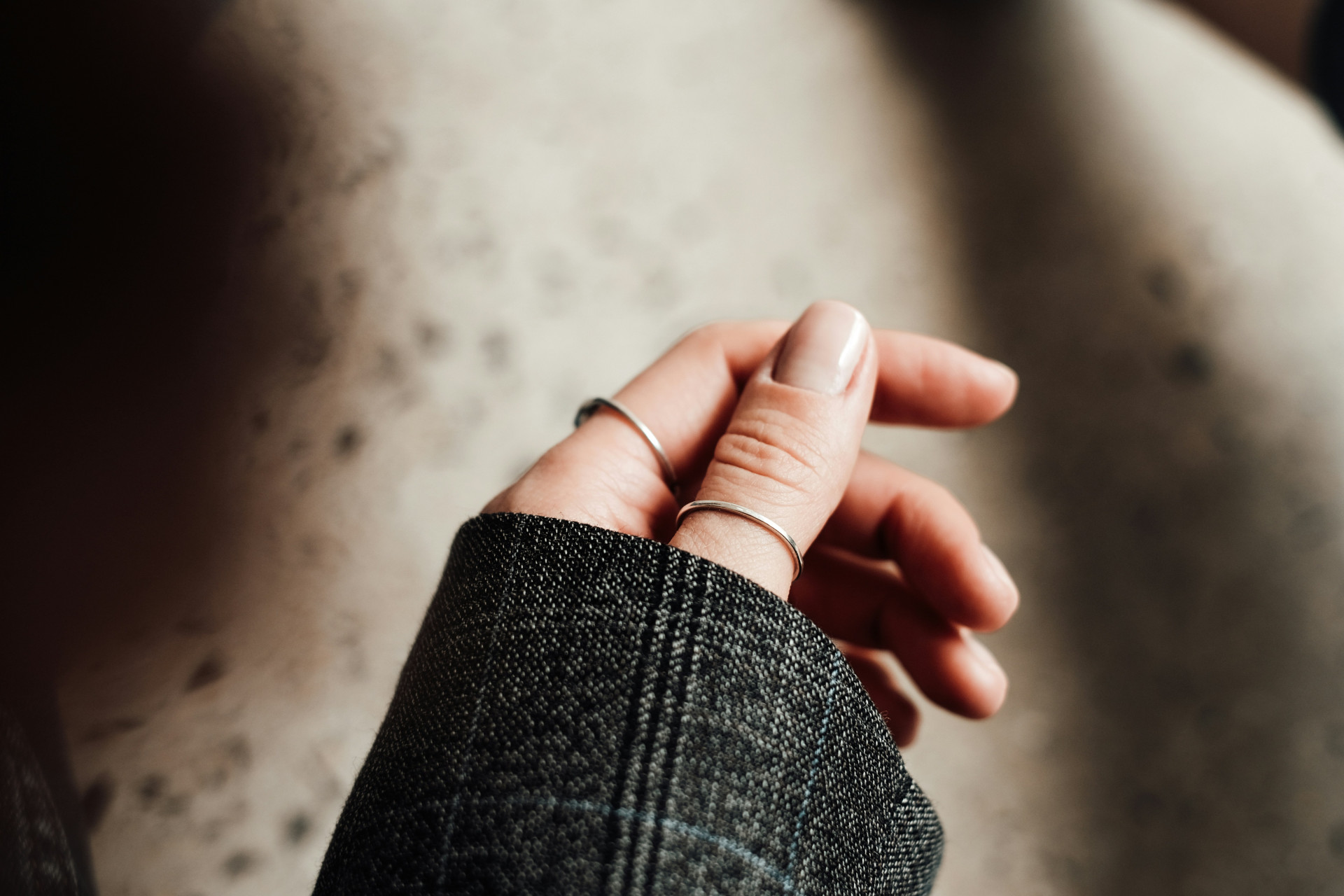
Keep Your Jewelry Beautiful: How to Create a Simple Cleaning and Inspection Routine
Jewelry is more than decoration—it carries memories, meaning, and personal style. But even the finest metals and gemstones lose their sparkle if they’re not cared for properly. The good news is that keeping your jewelry beautiful doesn’t require expensive products or complicated steps. With a simple cleaning and inspection routine, you can preserve both its shine and sentimental value for years to come.
Why Regular Care Matters
Everyday wear exposes jewelry to dirt, sweat, lotion, and soap residue. Over time, these build up and dull the surface. Even tiny particles can cause scratches, especially on softer metals like gold and silver. Settings can also loosen, putting gemstones at risk of falling out.
By cleaning and checking your jewelry regularly, you can prevent small issues from turning into costly repairs—and keep your favorite pieces looking their best.
A Simple Cleaning Routine
You don’t need professional tools to clean your jewelry. A few gentle household items are often all it takes.
-
Prepare a mild cleaning solution Mix a few drops of dish soap with warm (not hot) water. Avoid harsh chemicals or boiling water, which can damage delicate stones or glued settings.
-
Soak your jewelry Let your pieces sit in the solution for 5–10 minutes to loosen dirt and oils. Use a soft toothbrush to gently clean crevices and details.
-
Rinse and dry carefully Rinse each piece under clean, lukewarm water. Dry thoroughly with a soft, lint-free cloth. Avoid paper towels—they can scratch metal surfaces.
-
Polish for extra shine Use a jewelry polishing cloth to remove any remaining residue and restore luster.
Materials That Need Special Care
- Silver: Tarnishes easily but can be restored with a silver polishing cloth or a cleaner made specifically for silver.
- Gold: Usually safe to clean with mild soap and water, but avoid abrasive brushes.
- Pearls and other organic materials: Wipe gently with a damp cloth only—never soak or use chemicals.
- Gemstones: Some stones, like opal and turquoise, are porous and should not be submerged in water. Always check care instructions for your specific piece.
Inspect Your Jewelry Regularly
Cleaning is only part of the process. A quick inspection can help you catch problems early and prevent loss or damage.
- Check for loose stones – Gently shake the piece near your ear; if you hear rattling, have it checked by a jeweler.
- Examine clasps and chains – These areas experience the most wear and are prone to breaking.
- Look for discoloration or dull spots – These may indicate worn plating or metal reacting to skin oils.
A good rule of thumb is to inspect your jewelry a few times a year—perhaps when you reorganize your jewelry box or switch out seasonal pieces.
Everyday Habits That Protect Your Jewelry
Small changes in your daily routine can make a big difference in how long your jewelry lasts:
- Remove jewelry before showering, swimming, exercising, or cleaning.
- Apply perfume, hairspray, and lotion before putting on jewelry.
- Store pieces separately in soft pouches or lined boxes to prevent scratches.
- Use travel cases when taking jewelry on the go.
When to Seek Professional Help
Even with regular home care, it’s wise to have your jewelry professionally cleaned and inspected once in a while. Jewelers can use ultrasonic or steam cleaning, tighten settings, and spot early signs of wear that you might miss.
An annual professional checkup is usually enough—especially for pieces you wear often or that hold sentimental or financial value.
Læs også:

Shine That Lasts
Keeping your jewelry beautiful isn’t about perfection—it’s about attention and consistency. With a simple routine of cleaning, inspection, and mindful habits, your jewelry can stay radiant for years to come, continuing to tell your story with every sparkle.
Læs også: