Makeup for Sensitive Skin – How to Choose and Use Products That Work for You

Makeup for Sensitive Skin – How to Choose and Use Products That Work for You
Have you ever noticed your skin turning red, itchy, or dry after applying makeup? You’re not alone. Sensitive skin needs extra care—especially when it comes to cosmetics. The good news is that you don’t have to give up makeup altogether. With the right products and a gentle routine, you can enjoy wearing makeup without discomfort. Here’s a guide to help you choose and use products that truly work for your skin.
What Does It Mean to Have Sensitive Skin?
Sensitive skin isn’t a medical condition—it’s a skin type that reacts more easily to external factors. Fragrance, preservatives, weather changes, and even stress can trigger irritation. Your skin might feel tight, burn, or become red, even when using mild products.
If you often experience discomfort when trying new products, it’s a sign that your skin barrier is delicate. Supporting that barrier with gentle, non-irritating makeup is key to keeping your skin calm and balanced.
How to Choose Makeup for Sensitive Skin
When shopping for makeup, the ingredient list is your best friend. Look for products specifically formulated for sensitive skin and labeled as dermatologist-tested or hypoallergenic. Here are some helpful guidelines:
- Avoid fragrance and alcohol. Both can dry out and irritate the skin.
- Keep it simple. The fewer ingredients, the lower the risk of a reaction.
- Look for allergy-tested or hypoallergenic labels. Brands like Neutrogena, Clinique, and Almay often offer gentle options.
- Mineral makeup can be a great choice—it typically contains fewer irritants and provides natural sun protection.
- Choose soothing ingredients such as aloe vera, niacinamide, oat extract, or chamomile to calm redness and hydrate the skin.
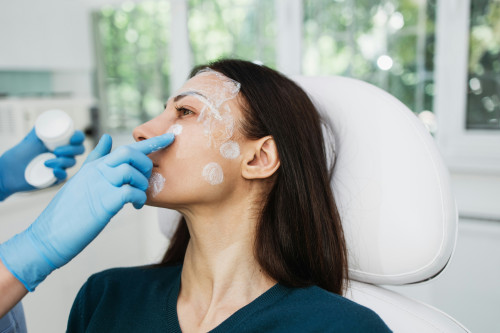
Always patch-test new products on a small area—like behind your ear or along your jawline—before applying them all over your face.
Prepping Your Skin Before Makeup
A smooth, hydrated base helps makeup look better and feel more comfortable. Start with a gentle cleanser that doesn’t strip your skin, then apply a lightweight moisturizer suited to your skin type. Give it a few minutes to absorb before applying makeup.
If you use a primer, pick one that’s fragrance-free and silicone-free. A calming primer can help even out your skin tone and reduce redness, so you’ll need less foundation overall.
Applying Makeup Without Irritating Your Skin
When your skin is sensitive, how you apply makeup matters just as much as what you use.
- Keep your tools clean. Wash brushes and sponges regularly with a mild cleanser to prevent bacteria buildup.
- Be gentle. Avoid rubbing or pressing too hard—use light dabbing motions instead.
- Build coverage gradually. Start with a thin layer of foundation and add more only where needed.
- Opt for cream or liquid formulas. Powders can emphasize dryness, while creamy textures feel more soothing.
- Set with a hydrating mist instead of heavy powder if you want your makeup to last longer.
Removing Makeup the Gentle Way
Evening care is just as important as your morning routine. Leaving makeup on overnight can clog pores and cause irritation, so always remove it thoroughly—but gently.
Use a mild micellar water or fragrance-free cleansing milk. Avoid harsh scrubbing, especially around the eyes. Instead, press a soft cotton pad or cloth gently against your skin to lift away makeup. Finish with a calming moisturizer to help your skin recover overnight.
When Your Skin Reacts – What to Do
Even with the best care, sensitive skin can sometimes flare up. If you notice redness, burning, or stinging, stop using the product immediately. Give your skin a break for a few days and stick to a simple, soothing moisturizer. If irritation persists, consult a dermatologist.
Keeping a “skin diary” can also help. Note which products you use and how your skin responds. Over time, you’ll start to see patterns and identify your personal triggers.
Læs også:

Beauty with Care
Having sensitive skin doesn’t mean you have to skip makeup—it just means choosing wisely. When you find products that respect your skin’s needs, you can feel confident and comfortable at the same time.
Remember, the best makeup starts with healthy skin. Treat your skin gently, keep it hydrated, and let your natural glow shine through. Makeup should enhance your beauty, not hide it.
Læs også: