Anti-Inflammatory Eating with Enjoyment: How to Stay Motivated in the Long Run

Anti-Inflammatory Eating with Enjoyment: How to Stay Motivated in the Long Run
Eating anti-inflammatory isn’t just about reducing inflammation in the body—it’s about creating a lifestyle that feels sustainable, enjoyable, and realistic over time. Many people start with enthusiasm but lose motivation once daily life gets busy. Here’s how to keep the joy alive in your anti-inflammatory journey—without turning it into a chore.
What Does Anti-Inflammatory Eating Really Mean?
An anti-inflammatory diet isn’t a quick fix or a strict plan—it’s a way of eating that supports your body’s natural balance. The idea is to choose foods that help calm low-grade inflammation, which researchers link to fatigue, joint pain, skin issues, and chronic diseases.
This way of eating emphasizes fresh vegetables, fruits, whole grains, fatty fish, nuts, olive oil, and spices like turmeric and ginger. It also limits refined sugar, processed foods, and red meat. While that might sound restrictive, it actually opens the door to a world of flavor, color, and variety.
Let Pleasure Be the Driving Force
One of the biggest pitfalls in changing your diet is focusing too much on restriction and too little on enjoyment. If food feels like punishment, motivation rarely lasts. That’s why pleasure should be part of your strategy.
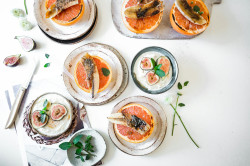
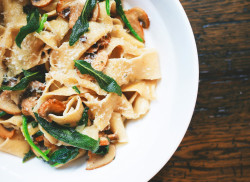
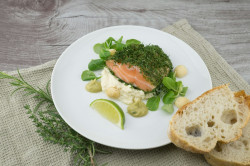
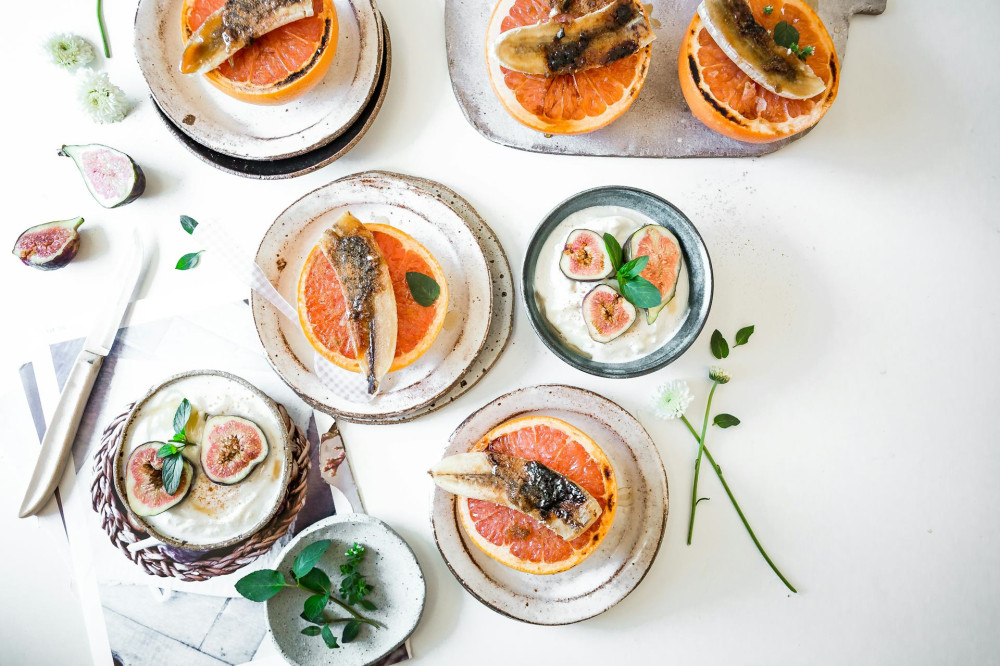
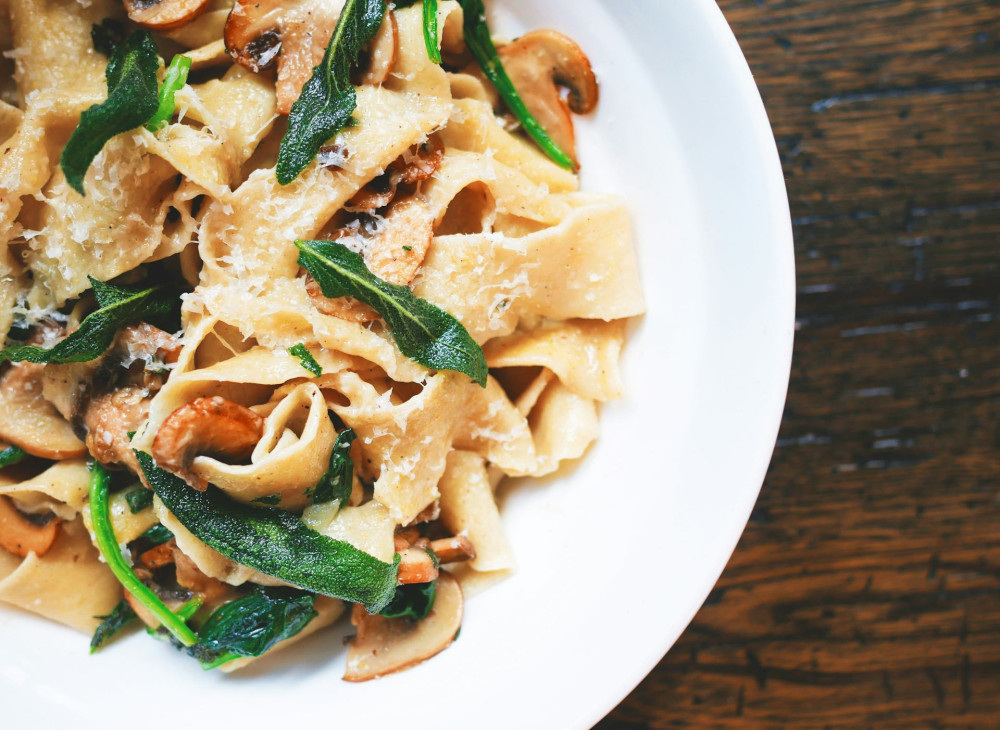
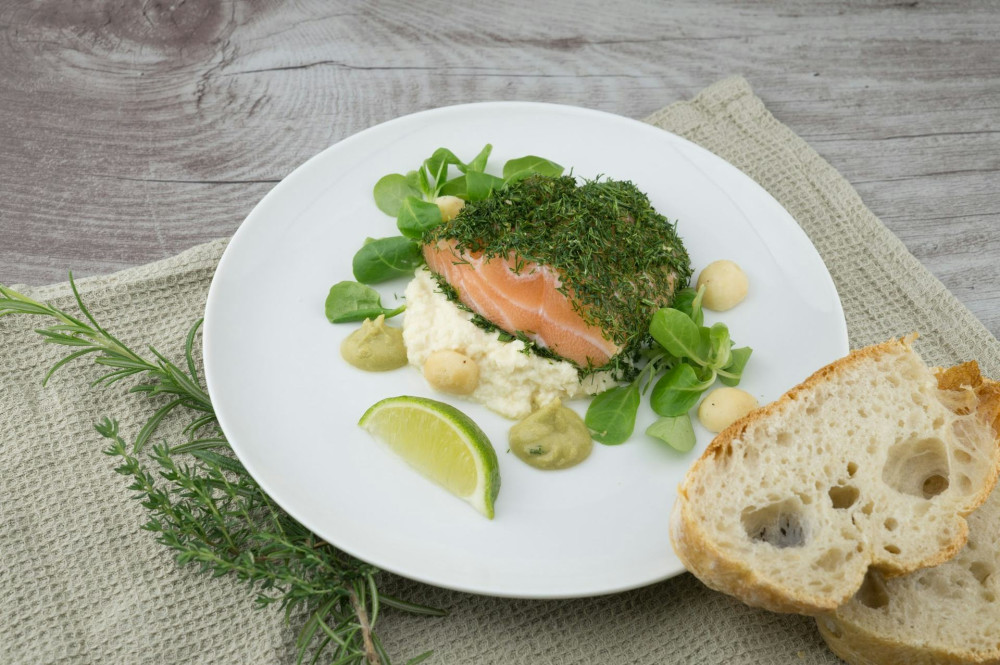
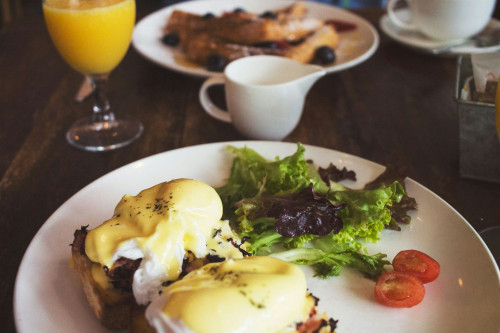
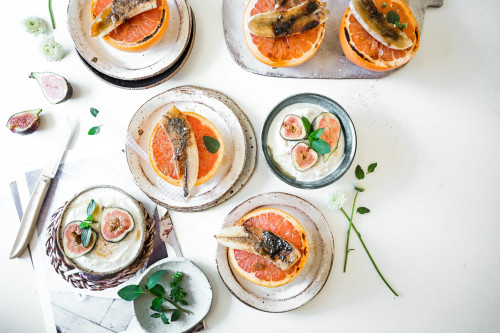
- Make your meals beautiful – colorful produce, fresh herbs, and thoughtful plating can make even simple dishes feel special.
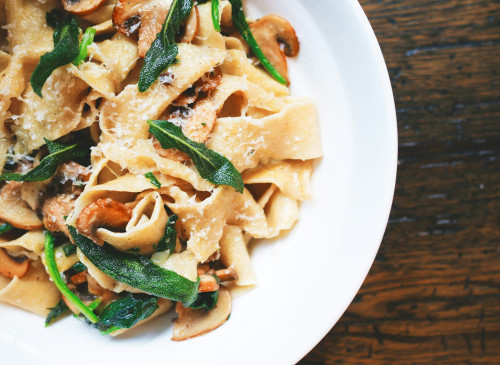
- Play with flavor and texture – crunchy nuts, creamy dressings, and aromatic spices make healthy food exciting.
- Allow flexibility – a glass of wine or a slice of dessert now and then won’t derail your progress. It’s about balance, not perfection.
When you associate anti-inflammatory eating with satisfaction and well-being, it becomes easier to stick with—even on hectic days.
Build Realistic Habits
Motivation naturally fluctuates, so it’s essential to build habits that carry you through when enthusiasm dips. Start small instead of overhauling everything at once.
- Swap your morning pastry for oatmeal topped with berries and walnuts.
- Prep a big batch of roasted vegetables or quinoa salad on Sunday for easy weekday meals.
- Keep healthy snacks like almonds, carrots, or hummus ready in the fridge.
Once these habits become part of your routine, they require less willpower—and that’s the key to long-term success.
Eat with Your Body, Not Against It
An anti-inflammatory lifestyle also means tuning in to your body’s signals. Eat when you’re hungry, and stop when you’re satisfied. Many people notice more stable energy and fewer cravings when they eat foods that nourish rather than burden the body.
It can help to keep a short food and energy journal for a week or two. Note how you feel after different meals—not to control yourself, but to understand what truly supports your well-being.
Find Community and Inspiration
It’s easier to stay motivated when you’re not doing it alone. Share your experiences with friends, family, or coworkers, and invite them into the kitchen. You might cook together, exchange recipes, or start a healthy eating challenge.
There are also countless online communities, cookbooks, and social media groups focused on anti-inflammatory living. The key is to find a space where food joy and health go hand in hand.
Remember the Bigger Picture
Anti-inflammatory living isn’t just about what’s on your plate. Sleep, movement, stress management, and social connection all influence inflammation and overall health. A walk in nature, a few deep breaths, or a good night’s sleep can be just as important as your next meal.
When you see your diet as part of a holistic lifestyle, it’s easier to stay motivated—because you’ll feel the benefits throughout your whole body.
Læs også:
Long-Term Motivation Comes from Within
Eating anti-inflammatory isn’t a project with an end date—it’s a journey toward more energy, calm, and vitality. Long-term motivation comes from finding your personal “why,” whether that’s better sleep, less pain, or simply the joy of feeling good in your own skin.
When you experience the positive effects in your body and genuinely enjoy your food, it stops being about willpower—and becomes a way of living that feels right for you.
Læs også: