From Fat-Phobic to Fat-Savvy: How to Choose Healthy Fats Wisely

From Fat-Phobic to Fat-Savvy: How to Choose Healthy Fats Wisely
For decades, fat was treated as the villain of the American diet. “Low-fat” labels filled grocery store shelves, and many people swapped butter for margarine and avoided anything that seemed oily or rich. But nutrition science has come a long way. Today, we know that fat isn’t the enemy—it’s an essential part of a balanced diet. The key is learning which fats to choose and how to use them wisely. Here’s how to go from fat-phobic to fat-savvy.
Why Your Body Needs Fat
Fat is one of the body’s three main nutrients, along with carbohydrates and protein. It provides energy, helps absorb fat-soluble vitamins (A, D, E, and K), supports cell growth, and plays a role in hormone production. Fat also makes food taste good and helps you feel full and satisfied after eating.
The problem isn’t fat itself—it’s the type and amount we eat. Too much saturated or trans fat can raise cholesterol levels and increase the risk of heart disease. The goal isn’t to cut out fat, but to choose the right kinds in the right amounts.
Læs også:

Know the Different Types of Fat
Not all fats are created equal. Understanding the differences can help you make smarter choices.
- Saturated fat is found mainly in animal products like butter, cheese, whole milk, and fatty cuts of meat, as well as in some tropical oils like coconut and palm oil. It’s fine in moderation, but it shouldn’t dominate your diet.
- Unsaturated fat comes in two forms—monounsaturated and polyunsaturated—and is found in foods like olive oil, avocados, nuts, seeds, and fish. These fats can help lower “bad” LDL cholesterol and support heart health.
- Trans fat is the one to avoid. It’s found in some processed foods, fried items, and baked goods made with partially hydrogenated oils. The FDA has largely phased out artificial trans fats in the U.S., but it’s still smart to check labels.
A good rule of thumb: let most of your fat intake come from unsaturated sources.
The Best Sources of Healthy Fats
Choosing healthy fats means focusing on foods that nourish your body and support long-term health.
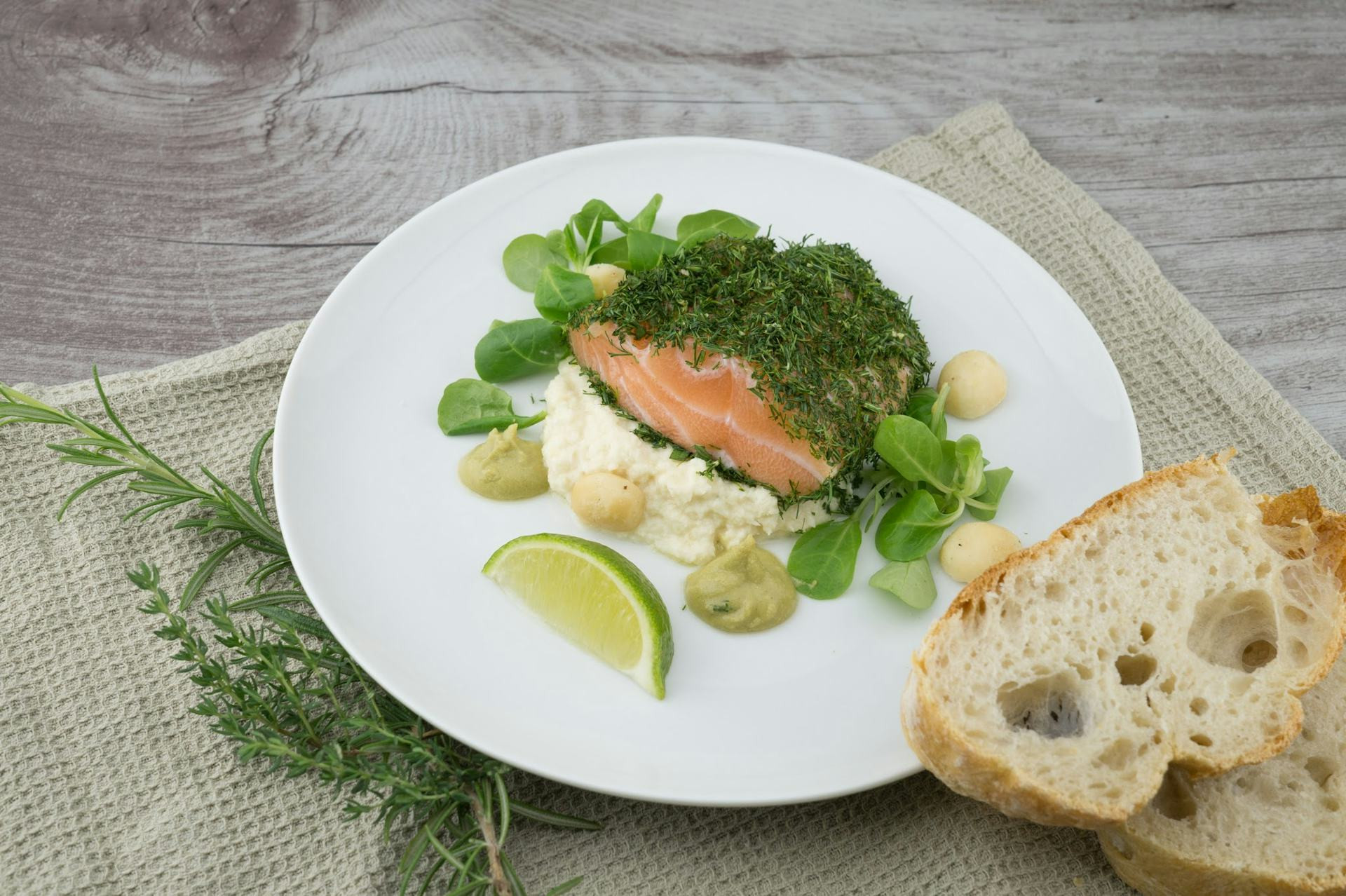
- Fatty fish like salmon, sardines, trout, and tuna are rich in omega-3 fatty acids, which are linked to better heart and brain health.
- Plant oils such as olive, canola, sunflower, and soybean oil are great for cooking and dressings. Olive oil, in particular, is a cornerstone of the heart-healthy Mediterranean diet.
- Nuts and seeds—almonds, walnuts, chia seeds, and flaxseeds—offer healthy fats, fiber, and important minerals. A small handful a day is enough.
- Avocados are packed with monounsaturated fat and can be used as a spread, in salads, or blended into smoothies.
How to Use Fat Wisely in Everyday Cooking
You don’t need to count every gram of fat or avoid it altogether. It’s about balance and smart choices. Try these simple tips:
- Use olive or canola oil instead of butter when sautéing or roasting.
- Choose low-fat or reduced-fat dairy rather than fat-free—some fat helps with flavor and satisfaction.
- Eat fish twice a week to get enough omega-3s.
- Avoid deep-frying or cooking at very high heat, which can damage healthy fats.
- Read nutrition labels to spot hidden saturated or trans fats in packaged foods.
Fat and Weight: Myths and Realities
Many people still believe that eating fat automatically leads to weight gain. In reality, it’s your total calorie intake that matters most. Fat is calorie-dense—about twice as many calories per gram as protein or carbs—but it also helps you feel full longer, which can prevent overeating.
Healthy fats can actually support weight management when eaten in moderation as part of a balanced diet. They help stabilize blood sugar, reduce cravings, and make meals more satisfying.
From Fear to Balance
Becoming fat-savvy means letting go of old fears and focusing on quality over quantity. When you choose the right fats—those from plants, fish, and whole foods—you’re supporting your heart, your brain, and your overall well-being. Fat isn’t something to fear; it’s a vital part of a healthy, enjoyable way of eating.
Læs også: