Plan Your Outfits – and Let Your Creativity Run Free

Plan Your Outfits – and Let Your Creativity Run Free
Planning your outfits isn’t just about saving time in the morning – it’s also a way to express yourself and make the most of your wardrobe. When you plan ahead, you get a clear picture of what you own, what you actually wear, and how you can mix and match your favorite pieces in new ways. It’s a chance to be intentional about your style while giving your creativity room to shine. Here’s how to plan your outfits without losing that sense of spontaneity.
Know Your Closet
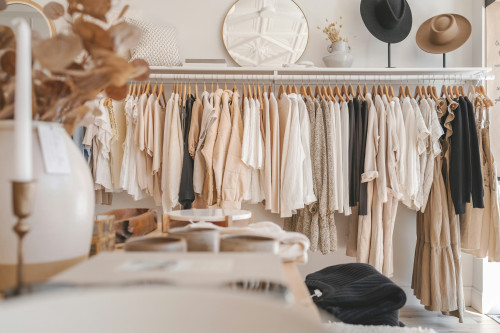
The first step in outfit planning is getting to know what’s already hanging in your closet. Many of us wear only a small portion of our clothes because we forget what’s tucked away in the back. Take some time to go through everything – try things on, and be honest about what you love, what you rarely wear, and what no longer fits your lifestyle.
You can sort your clothes into three simple categories:
- Favorites – the pieces you always feel great in.
- Maybes – items you like but don’t reach for often.
- Goodbyes – clothes that don’t fit, feel right, or suit your current style.
Once you have a clear overview, it becomes much easier to create outfits that reflect both your personality and your daily needs.
Læs også:

Plan by the Week – Not by the Mood
While it might feel spontaneous to pick your outfit each morning, planning ahead saves time and mental energy. Try setting aside a few minutes on Sunday evening to check the weather and your schedule for the week. Do you have meetings, social events, or work-from-home days? Lay out outfits that fit each occasion.
A helpful trick is to take photos of your planned outfits. That way, you can quickly scroll through your options without rummaging through your closet. It also makes it easier to repeat great combinations later.
Create a Consistent Style Story
Planning your outfits helps you notice patterns in your style. Maybe you gravitate toward neutral tones, or perhaps you love bold prints and bright colors. Being aware of your preferences allows you to build on them – and challenge yourself to try something new.
You can even set a theme for the week: “classic with a twist,” “colorful minimalism,” or “cozy layers.” Themes make it fun to experiment and encourage you to think creatively within your own style framework.
Use Accessories as Creative Tools
Accessories can completely transform an outfit. A scarf, belt, or statement earrings can change the entire mood of your look. When planning your outfits, think about accessories from the start – not as an afterthought.
They’re also a great way to add variety to your basics. A simple black dress, for example, can look elegant with pearls and heels one day and casual with sneakers and a denim jacket the next. Accessories let you reinvent your wardrobe without buying new clothes.
Leave Room for Spontaneity
Even though planning brings structure, it’s important to stay flexible. Some mornings you might wake up wanting to wear something totally different – and that’s perfectly fine. Think of your plan as a guide, not a rulebook.
Having a few well-thought-out outfits ready makes it easy to swap pieces or add a personal touch without stress. The goal is to create freedom through preparation.
Make It a Habit
Like any routine, outfit planning gets easier the more you do it. Set aside time once a week and make it enjoyable – maybe with a cup of coffee and your favorite playlist in the background. Over time, you’ll find that you get more use out of your clothes, feel more confident in your style, and start each day with a little more calm.
Ultimately, planning your outfits is about taking ownership of your style and using it as a form of self-expression. When you know what you have and how to wear it, getting dressed becomes less of a chore and more of a creative ritual – one that helps you step into each day with confidence and joy.
Læs også: