The Psychology of Colors: What Your Clothing Color Choices Say About You


The Psychology of Colors: What Your Clothing Color Choices Say About You
Most of us choose what to wear based on comfort, style, or the occasion. But the colors we put on each day do more than complete an outfit—they influence how we feel and how others perceive us. The psychology of color explores how different hues affect our emotions, behavior, and interactions. Here’s a look at what your clothing color choices might say about you—and how you can use color to express yourself more intentionally.
Colors Influence Both Mood and Perception
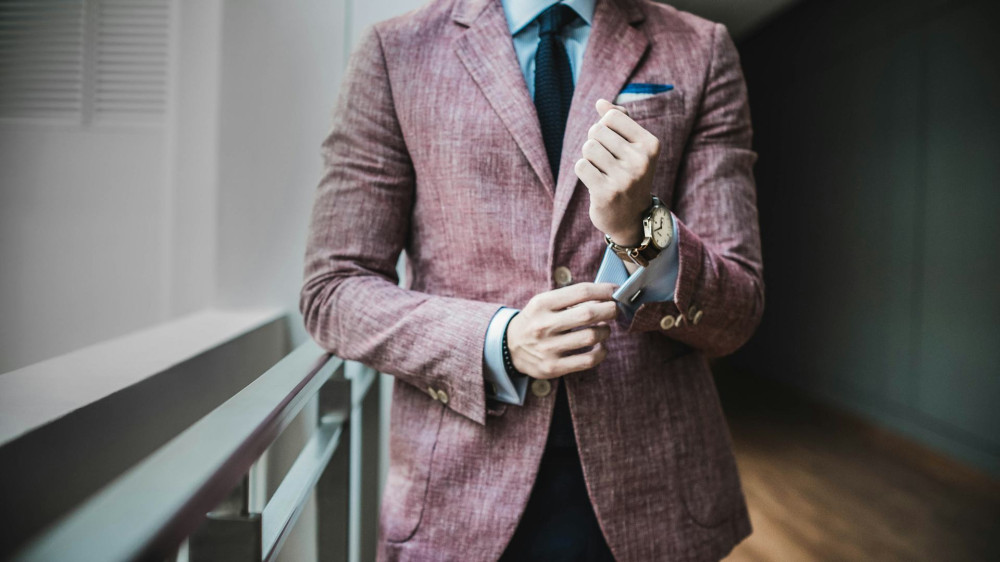
Colors are more than visual decoration; they carry emotional weight. Studies have shown that colors can affect our mood, confidence, and even how approachable we seem to others. A dark suit might project authority and professionalism, while a light dress can convey openness and ease.
Your color choices don’t define who you are, but they can help you communicate the message or energy you want to project—whether that’s confidence, calm, or creativity.
Læs også:

Red – Energy, Passion, and Confidence
Red is the color of power, passion, and vitality. It grabs attention and often signals confidence and determination. Many people reach for red when they want to stand out—perhaps for a big presentation, a date, or a night out.
However, red can also feel intense or dominant, so a touch of it—a red tie, lipstick, or accessory—can be enough to make a statement without overwhelming your look.
Blue – Calm, Trust, and Stability
Blue is one of the most popular clothing colors in the U.S., and for good reason. It’s associated with calmness, reliability, and professionalism. Navy blue conveys authority and competence, while lighter shades of blue feel friendly and relaxed.
If you want to inspire trust—say, in a job interview or business meeting—blue is a safe and effective choice. It can also help you feel centered and composed on busy or stressful days.
Green – Balance and Renewal
Green represents nature, growth, and harmony. It’s a color that evokes balance and stability, but also freshness and renewal. Wearing green can make you appear grounded and approachable.
Darker greens feel classic and calm, while lighter or olive tones bring a modern, natural vibe. It’s a great color for days when you want to feel refreshed or connected to your surroundings.
Black – Strength and Sophistication
Black is timeless, versatile, and powerful. It’s often chosen for its association with elegance, authority, and confidence. A black outfit can make you feel in control and polished—like a visual armor that helps you face the day.
Still, too much black can come across as distant or severe. Pairing it with softer textures or a pop of color can keep your look warm and approachable.
White – Simplicity and Clarity
White symbolizes purity, simplicity, and new beginnings. It gives a clean, fresh impression and can make you appear organized and focused. Many people choose white when they want to project clarity or start something new—like a fresh week or a new project.
Because white can sometimes feel stark, it pairs beautifully with warmer tones or natural fabrics that add softness and depth.
Yellow and Orange – Joy and Creativity
Yellow and orange are the colors of optimism, energy, and creativity. They can instantly lift your mood and make you appear cheerful and enthusiastic. A yellow blouse or orange scarf can brighten a neutral outfit and add a sense of playfulness.
Since these colors are bold, they often work best as accents rather than full outfits—perfect for adding a spark of positivity without overwhelming your look.
Using Color Intentionally in Everyday Life
Understanding color psychology isn’t about following strict rules—it’s about using color as a tool for self-expression and emotional balance. You can choose colors that support your mood or help you project the energy you want in a given situation.
- For workdays: choose blue or gray for professionalism and calm.
- For social events: wear warm tones like red, yellow, or green to appear open and energetic.
- For low-energy days: opt for light or bright colors to give yourself a mental boost.
When you become aware of how colors affect you, your wardrobe becomes more than just clothing—it becomes a way to shape your mindset and presence.
Colors as a Reflection of Personality and Mood
Your clothing choices often mirror how you feel, but they can also influence how you want to feel. Some days call for the structure and confidence of black; others invite the freedom and joy of color.
Dressing with color awareness isn’t just about fashion—it’s about self-understanding. The colors you wear can be your quiet language, expressing who you are and how you want to move through the world.
Læs også: