Tooth Enamel Through Life: How Age, Diet, and Lifestyle Affect Your Teeth

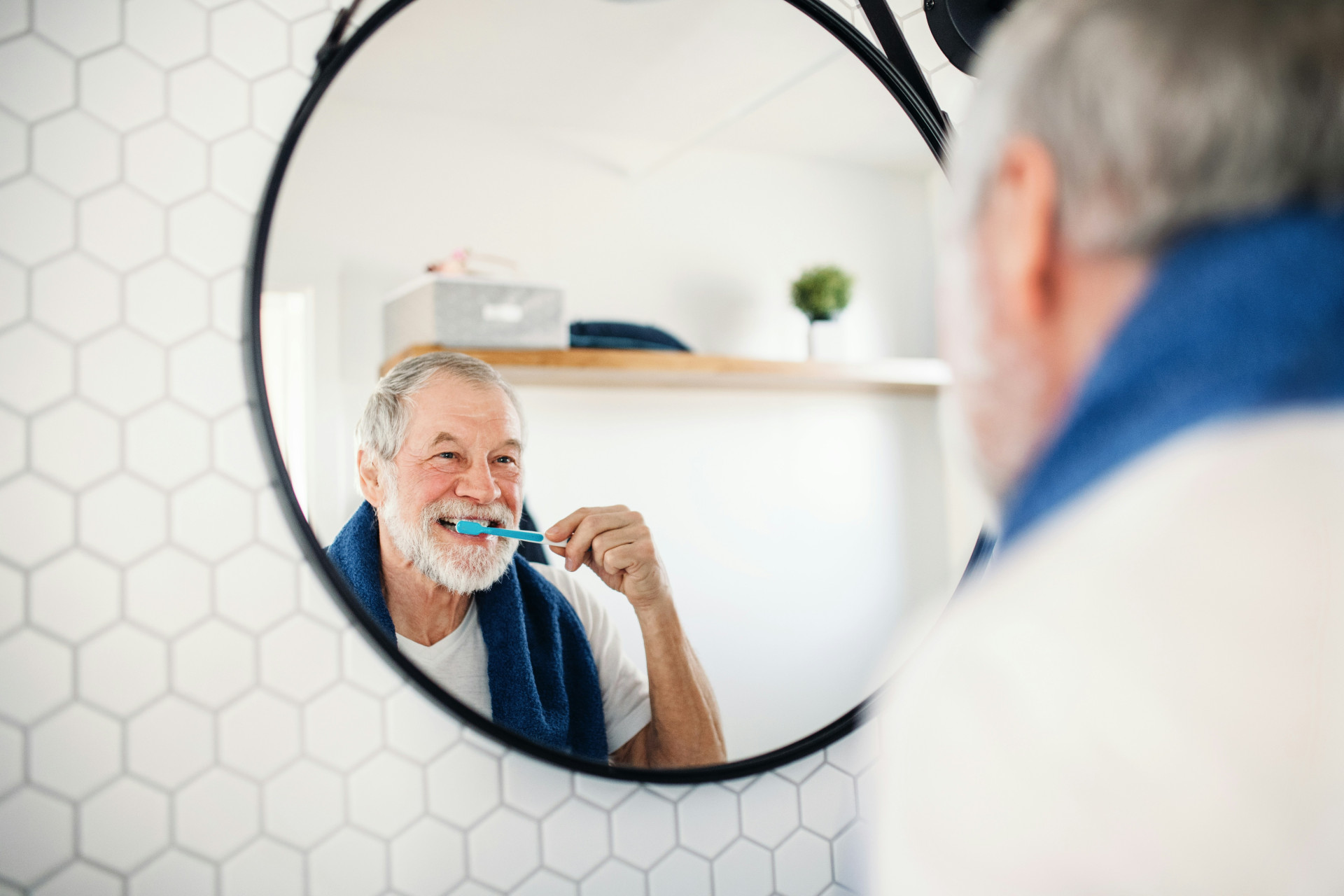
Tooth Enamel Through Life: How Age, Diet, and Lifestyle Affect Your Teeth
Our teeth stay with us through every stage of life—from the first baby tooth to the last molar that might need a little help from the dentist to stay strong. Even though tooth enamel is the hardest substance in the human body, it’s not indestructible. It’s affected by what we eat, how we live, and how we care for our oral health. Here’s a look at how age, diet, and lifestyle work together to shape the health of your teeth.
Tooth Enamel – The Body’s Hardest but Most Vulnerable Shield
Tooth enamel is made mostly of a mineral called hydroxyapatite and acts as a protective shell around the inner parts of the tooth. Because enamel contains no living cells, it can’t regenerate once it’s worn down or damaged. That’s why prevention is key to maintaining healthy teeth throughout life.
Even small changes in the mouth’s pH—like after drinking soda or fruit juice—can temporarily soften enamel. Fortunately, saliva helps restore lost minerals, but only if teeth get a break between meals and snacks.
Childhood and Adolescence: Building the Foundation
During childhood, permanent teeth are forming, and both diet and habits play a crucial role. A high intake of sugary foods and drinks increases the risk of cavities, while fluoride—found in toothpaste and often in U.S. tap water—helps strengthen enamel.
Parents can support their children’s dental health by:
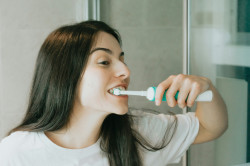
- Ensuring kids brush twice a day with fluoride toothpaste.
- Limiting sugary snacks, juices, and sodas.
- Encouraging water after meals to rinse away acids.
In the teenage years, new habits like energy drinks, alcohol, or inconsistent brushing can start to wear down enamel. Reinforcing good routines early helps prevent long-term damage.
Adulthood: Diet, Stress, and Lifestyle Leave Their Mark
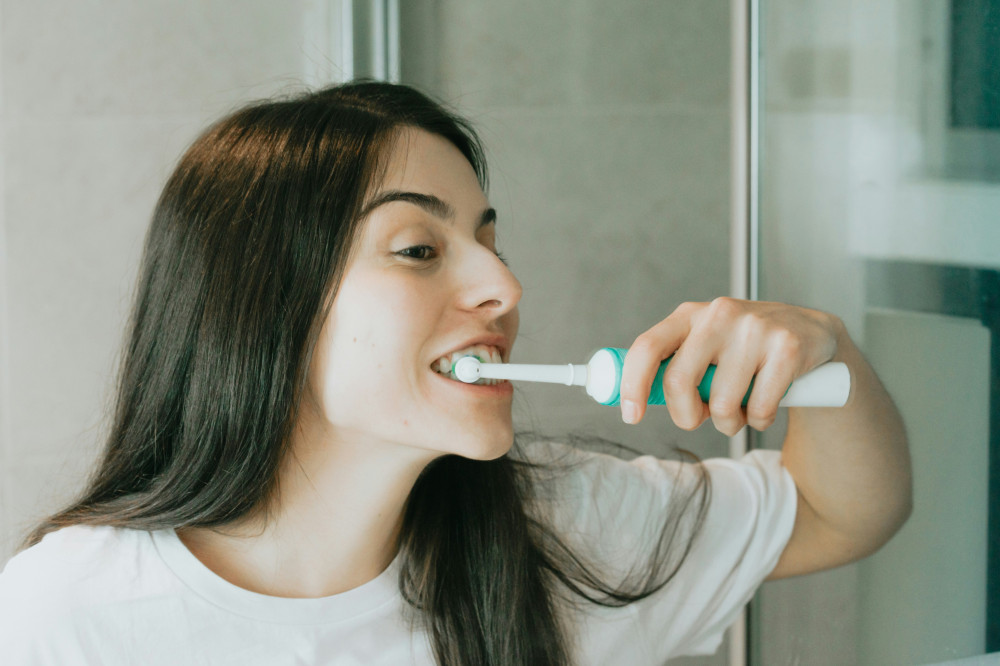
In your 20s and 30s, teeth are generally strong, but lifestyle choices begin to have a bigger impact. Coffee, tea, red wine, and tobacco can stain enamel, while acidic drinks and frequent snacking increase the risk of erosion.
Stress also plays a role. Many adults clench or grind their teeth—especially at night—which can wear down enamel and cause jaw pain. A night guard may help protect your teeth if this is an issue.
To keep your teeth healthy in adulthood:
- Choose water as your main beverage and limit acidic drinks.
- Eat a balanced diet rich in vegetables, whole grains, and dairy products for calcium and phosphate.
- Wait about 30 minutes after acidic meals before brushing to allow enamel to reharden.
Læs også:
Older Adulthood: When Enamel Grows Thinner
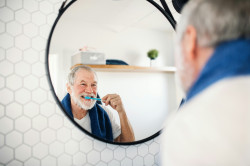
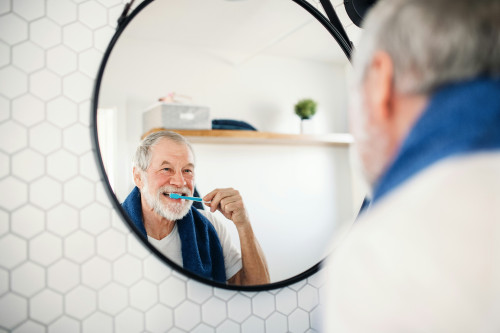
As we age, enamel naturally becomes thinner, and gums may recede, exposing the sensitive root surfaces. This can lead to tooth sensitivity and a higher risk of decay. Medications and reduced saliva flow can also cause dry mouth, weakening the mouth’s natural defenses.
Older adults should pay special attention to:
- Staying hydrated and using sugar-free gum to stimulate saliva.
- Using toothpaste with higher fluoride content if recommended by a dentist.
- Scheduling regular dental checkups—small issues can escalate quickly if left untreated.
Lifestyle Matters – More Than Just Brushing
Oral health isn’t only about brushing and flossing. Smoking, alcohol, and poor sleep all affect the mouth’s balance. Smoking reduces blood flow to the gums and increases the risk of gum disease, while alcohol can dry out the mouth and alter its bacterial environment.
A healthy lifestyle—balanced diet, regular exercise, and adequate sleep—supports not just your body but also your teeth. The mouth is part of the whole system, and what’s good for your body is good for your smile.
A Lifetime of Strong Teeth – It’s All About Habits
At any age, daily habits make the difference. Enamel can’t repair itself, but it can be protected and strengthened through consistent care and smart choices.
By combining good oral hygiene, a balanced diet, and regular dental visits, you can maintain a healthy smile for life—and avoid many of the problems that often come with aging.
Læs også: