Toothpicks, Dental Floss, or Interdental Brushes? How to Choose the Right Tool for Your Teeth

Toothpicks, Dental Floss, or Interdental Brushes? How to Choose the Right Tool for Your Teeth
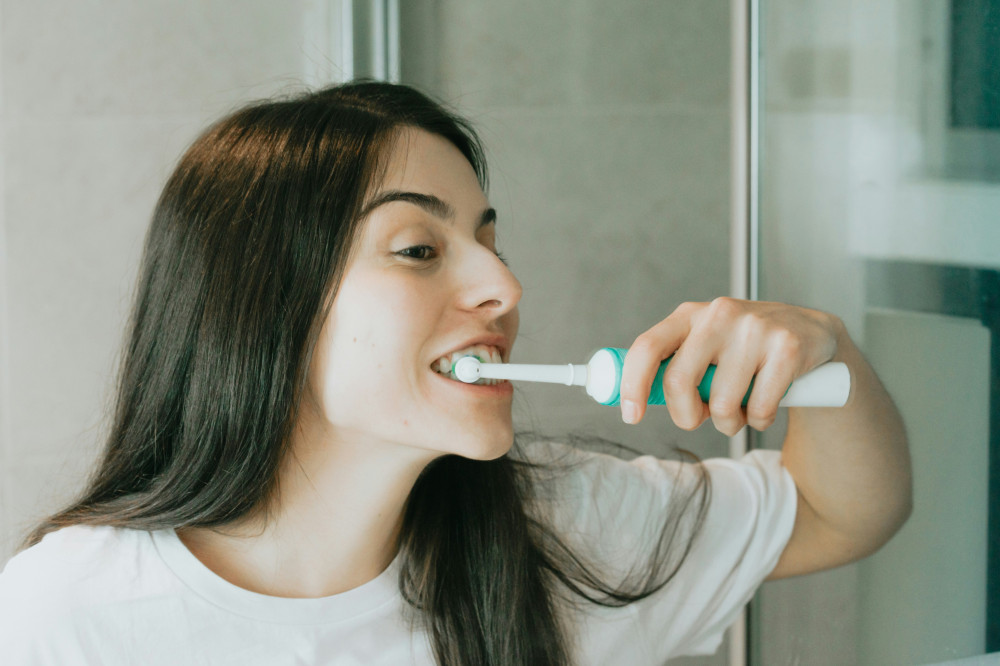
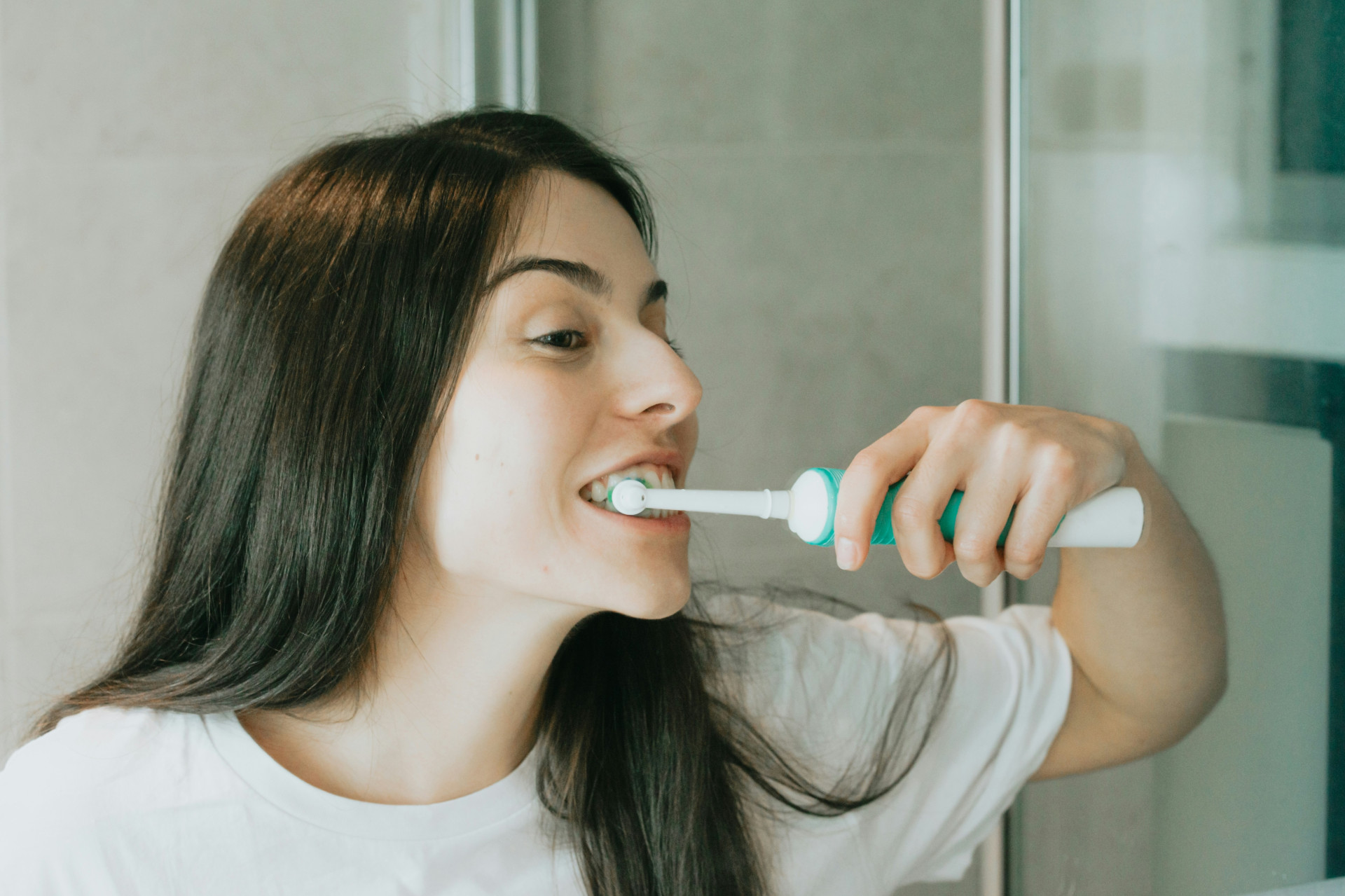
Most of us know that brushing twice a day is essential for good oral health. But even the best toothbrush can’t reach every nook and cranny between your teeth, where food particles and bacteria like to hide. That’s why dentists recommend cleaning between your teeth daily — but which tool should you use? Toothpicks, dental floss, or interdental brushes? Here’s a guide to help you choose the one that fits your teeth and habits best.
Why Cleaning Between Your Teeth Matters
Plaque — a sticky film of bacteria — builds up between teeth and along the gumline. If it’s not removed, it can lead to cavities, gum disease, and bad breath. Brushing alone removes only about 60% of plaque, leaving the rest in those tight spaces. Adding an interdental cleaning tool to your routine can make a big difference in preventing gum inflammation and keeping your mouth healthy.
Healthy gums don’t bleed, and regular interdental cleaning can help you maintain fresh breath and a confident smile.
Toothpicks – The Quick Fix
Toothpicks are a classic choice for removing food debris after meals. They come in wood or plastic and in different shapes, such as flat or triangular.
Pros:
- Convenient and easy to use on the go.
- Great for removing visible food particles.
- Inexpensive and widely available.
Cons:
- Not as effective at removing plaque as floss or interdental brushes.
- Can irritate or damage gums if used too forcefully.
- Not suitable for very tight spaces.
Toothpicks can be a handy supplement, but they shouldn’t replace your daily interdental cleaning routine.
Dental Floss – The Classic for Tight Spaces
Dental floss is ideal if your teeth are close together and there’s little room for other tools. It comes in waxed and unwaxed varieties, and some types are flavored or coated with fluoride.
Pros:
- Excellent for cleaning tight spaces between teeth.
- Reaches below the gumline to remove plaque.
- Works for most people and tooth shapes.
Cons:
- Requires some technique and patience.
- Can be tricky if you have braces, bridges, or limited dexterity.
- May cause gum discomfort if used incorrectly.
A good tip is to floss before brushing — that way, fluoride from your toothpaste can reach between your teeth more effectively afterward.
Interdental Brushes – The Most Effective Option for Many
Interdental brushes are small, bristled tools designed to clean larger gaps between teeth. They come in various sizes, so you can find one that fits your mouth perfectly.
Pros:
- Very effective at removing plaque and bacteria.
- Gentle on gums when used correctly.
- Ideal for people with gum problems, implants, or dental bridges.
Cons:
- You need the right size — too small won’t clean effectively, too large can hurt your gums.
- May feel awkward at first.
- Need to be replaced regularly.
Many dentists in the U.S. recommend interdental brushes for adults, especially those with early signs of gum disease or wider spaces between teeth.
How to Find the Right Tool
The best tool depends on your teeth, gums, and the size of the spaces between them. Many people benefit from using a combination — for example, floss for the front teeth and interdental brushes for the back.
Ask your dentist or dental hygienist for advice. They can measure your interdental spaces and recommend the right size and technique. That way, you’ll have a routine that’s both effective and comfortable.
Make It a Habit
No matter which tool you choose, consistency is key. It only takes a few minutes a day, but it can save you from pain, gum disease, and costly dental treatments down the road.
If it feels overwhelming, start small — clean between a few teeth each day and build up gradually. It’s normal for gums to bleed a little at first; this usually stops as your gums become healthier.
Læs også:
A Small Step for You – A Big Difference for Your Smile
Cleaning between your teeth is a small effort with big rewards. Whether you prefer toothpicks, floss, or interdental brushes, the most important thing is to find a method you’ll actually use. It’s the daily habit — not the tool itself — that keeps your smile healthy for years to come.
Læs også: